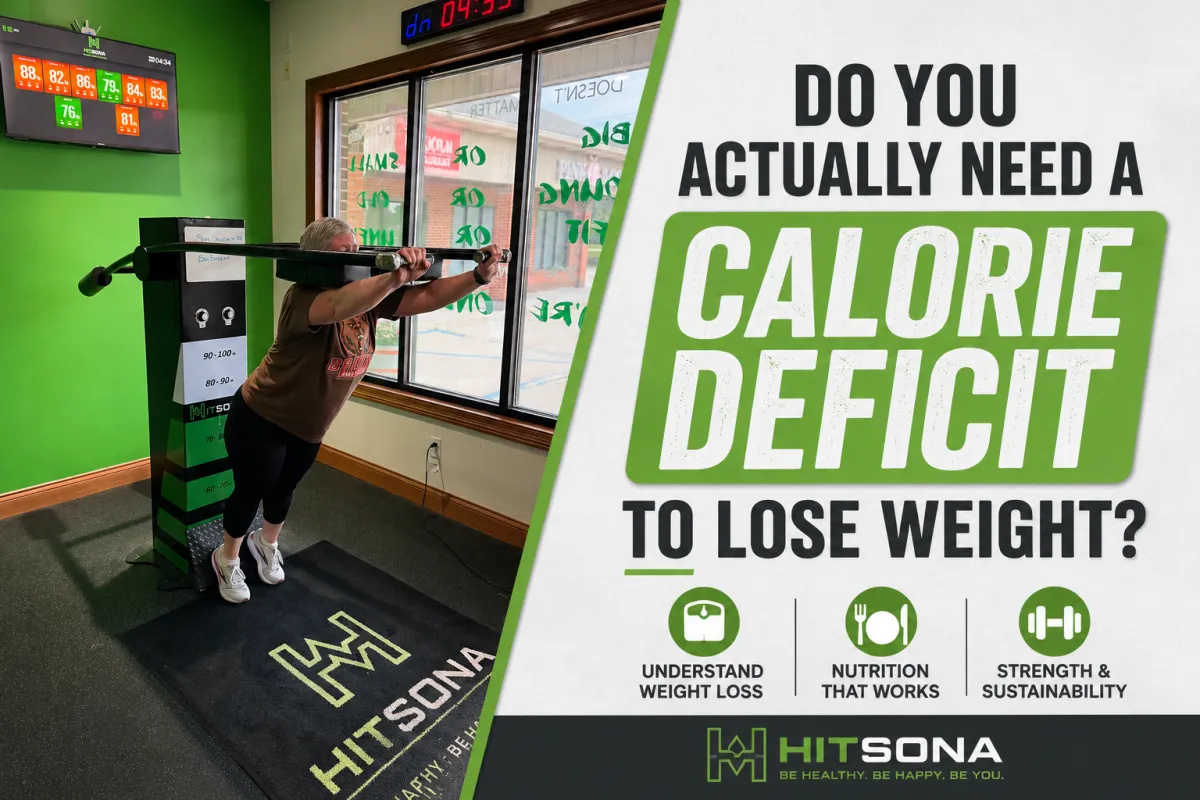
Do You Actually Need a Calorie Deficit to Lose Weight?
If you've spent any time researching weight loss online, you've probably heard the phrase:
"You need to be in a calorie deficit to lose weight."
Some people swear by it.
Others claim calories don't matter and that hormones, fasting, or specific diets are the real secret.
So who's right?
If you're trying to figure out how to lose weight properly, especially if you're over 40 and feeling frustrated by conflicting advice, this article will help clear up the confusion.
What Is a Calorie Deficit?
A calorie deficit simply means your body is using more energy than it's taking in through food and beverages.
For example:
If your body burns 2,000 calories per day and you consume 1,800 calories, you're in a 200-calorie deficit.
Over time, your body must find energy elsewhere, which often means using stored body fat.
This is why a calorie deficit for weight loss is considered the foundation of losing body fat.
In the simplest terms:
Weight loss cannot occur without some form of calorie deficit.
However, that doesn't mean counting calories is the only way to achieve one.
Why So Many People Hate Hearing About Calories
Many people hear "calorie deficit" and immediately think:
Extreme dieting
Constant hunger
Tracking every bite of food
Giving up their favorite meals
That's understandable.
Most people don't want another restrictive diet.
The good news is that creating a calorie deficit doesn't have to mean starving yourself or obsessing over numbers.
The real goal is creating habits that naturally help you consume fewer calories while maintaining energy, muscle, and overall health.
Why Weight Loss Gets Harder After 40
If you're in your 40s, 50s, or beyond, you may feel like you're doing everything right but still not seeing results.
You're not imagining it.
Several factors can make weight management more challenging:
Loss of Muscle Mass
Adults naturally lose muscle as they age.
Since muscle burns more calories than fat, this can reduce your daily calorie needs.
Reduced Activity Levels
Many adults become less active due to work schedules, family obligations, injuries, or joint discomfort.
Increased Stress
Chronic stress can lead to emotional eating, cravings, poor sleep, and reduced recovery.
Hormonal Changes
For women experiencing perimenopause or menopause, hormone fluctuations can affect appetite, fat storage, energy levels, and recovery.
These factors don't eliminate the need for a calorie deficit, but they can make it more difficult to achieve one naturally.
The Biggest Mistake People Make
One of the most common mistakes we see is trying to lose weight by simply eating less.
While reducing calories can work temporarily, many people cut calories too aggressively.
This often leads to:
Low energy
Increased hunger
Muscle loss
Slower metabolism
Difficulty maintaining results
The goal isn't just losing weight.
The goal is losing body fat while preserving muscle and feeling good throughout the process.
How to Lose Weight Properly
If your goal is long-term success, focus on these fundamentals:
1. Prioritize Protein
Protein helps:
Control hunger
Preserve muscle
Improve recovery
Support metabolism
Many adults, especially women over 40, aren't consuming nearly enough protein.
Aim to include a quality protein source with every meal.
2. Strength Train Regularly
Many people think cardio is the key to weight loss.
While walking and cardio have benefits, strength training helps preserve and build muscle.
More muscle means your body burns more calories throughout the day.
This is especially important as we age.
3. Focus on Consistency
The best nutrition plan is the one you can actually follow.
A moderate calorie deficit maintained for months will outperform an extreme diet that lasts two weeks.
4. Improve Food Quality
Many people believe they're eating healthy but are unknowingly consuming hundreds of extra calories from:
Specialty coffees
Smoothies
Salad dressings
Granola
Energy bars
Sugary beverages
Focus on whole foods whenever possible.
5. Get Enough Sleep
Poor sleep affects hunger hormones and often increases cravings for sugar and highly processed foods.
Sleep is one of the most overlooked factors in successful weight loss.
What About Fasting?
Intermittent fasting has become extremely popular.
Can it help?
Yes.
But not for the reason many people think.
Fasting works because it often helps people consume fewer calories throughout the day.
It's simply another tool that may help create a calorie deficit.
Some people thrive with fasting.
Others feel miserable.
Neither approach is universally right or wrong.
Do Hormones Matter?
Absolutely.
Hormones influence:
Hunger
Fullness
Energy
Recovery
Fat storage
However, hormones don't eliminate the laws of energy balance.
The challenge is that hormonal changes can make maintaining a calorie deficit more difficult.
That's why many adults need a combination of:
Better nutrition
Strength training
Stress management
Adequate sleep
Consistency
rather than searching for a single "magic solution."
The Bottom Line
Do you need a calorie deficit to lose weight?
Yes.
A calorie deficit is required for fat loss.
However, that doesn't mean you need to obsessively count every calorie or follow a restrictive diet.
The most successful approach is usually:
Eating enough protein
Strength training consistently
Improving food quality
Managing stress
Sleeping well
Creating sustainable habits
If you're trying to figure out how to lose weight properly, remember this:
The goal isn't to eat as little as possible.
The goal is to create a healthy lifestyle that naturally supports a calorie deficit while helping you feel stronger, healthier, and more energetic for years to come.
Looking for Weight Loss Support in Fort Wayne?
Many adults struggle with weight loss because they don't have a clear plan, accountability, or guidance.
At Hitsona Fort Wayne, we help adults 40+ combine efficient strength training, nutrition guidance, accountability, and progress tracking to create sustainable results without spending hours in a gym.
Learn more about our programs or schedule a quick discovery call to see if we're a good fit for your goals.
